

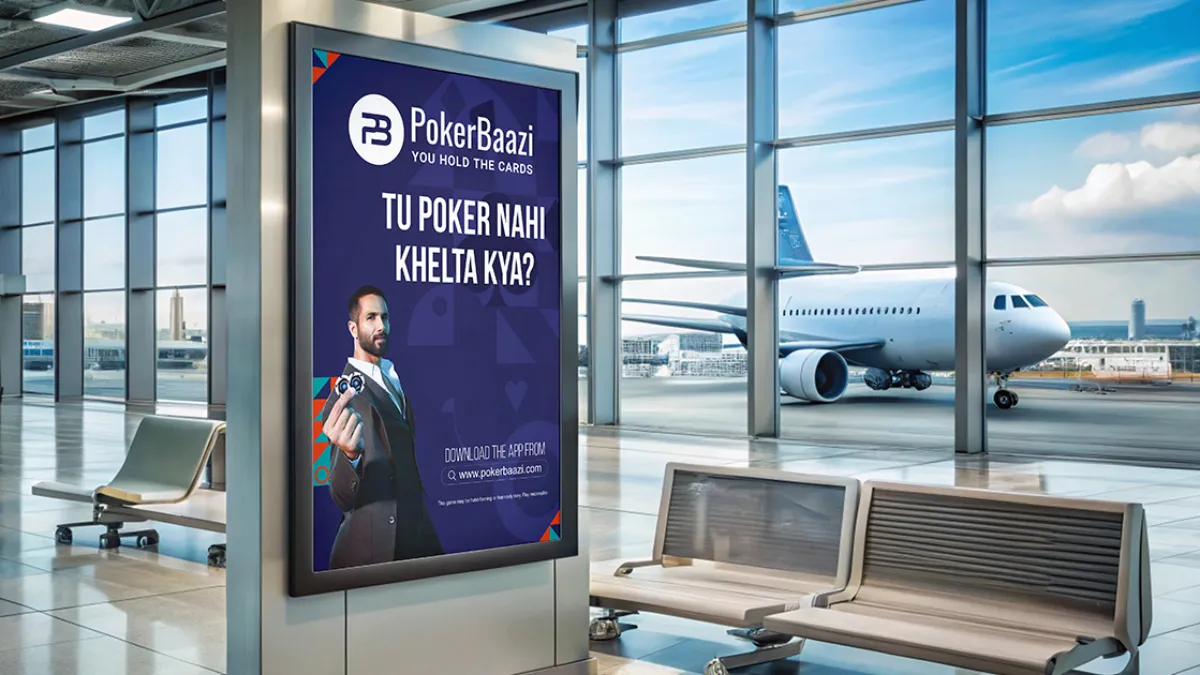
Airports remain a strong and reliable advertising medium, even in uncertain times.
March 24, 2026 · 4 min read
by Khuzaima Yamman
In a world shaped by economic fluctuations, global disruptions, and rapidly evolving consumer behaviors, advertisers are under increasing pressure to invest in media channels. While many advertising platforms experience volatility during uncertain times, airport advertising has consistently proven to be a strong, reliable, and influential medium. With its unique audience, premium environment, and high dwell times.
The Unique Nature of Airport Advertising
Airports are unlike any other advertising environment. They are controlled, high-traffic spaces where audiences are not only captive but also diverse, affluent, and often in a receptive mindset. Unlike traditional outdoor or digital advertising, airport advertising benefits from extended exposure times, minimal distractions, and a premium setting.
Airports Give Brands a Strong Opportunity to Capture People’s Attention
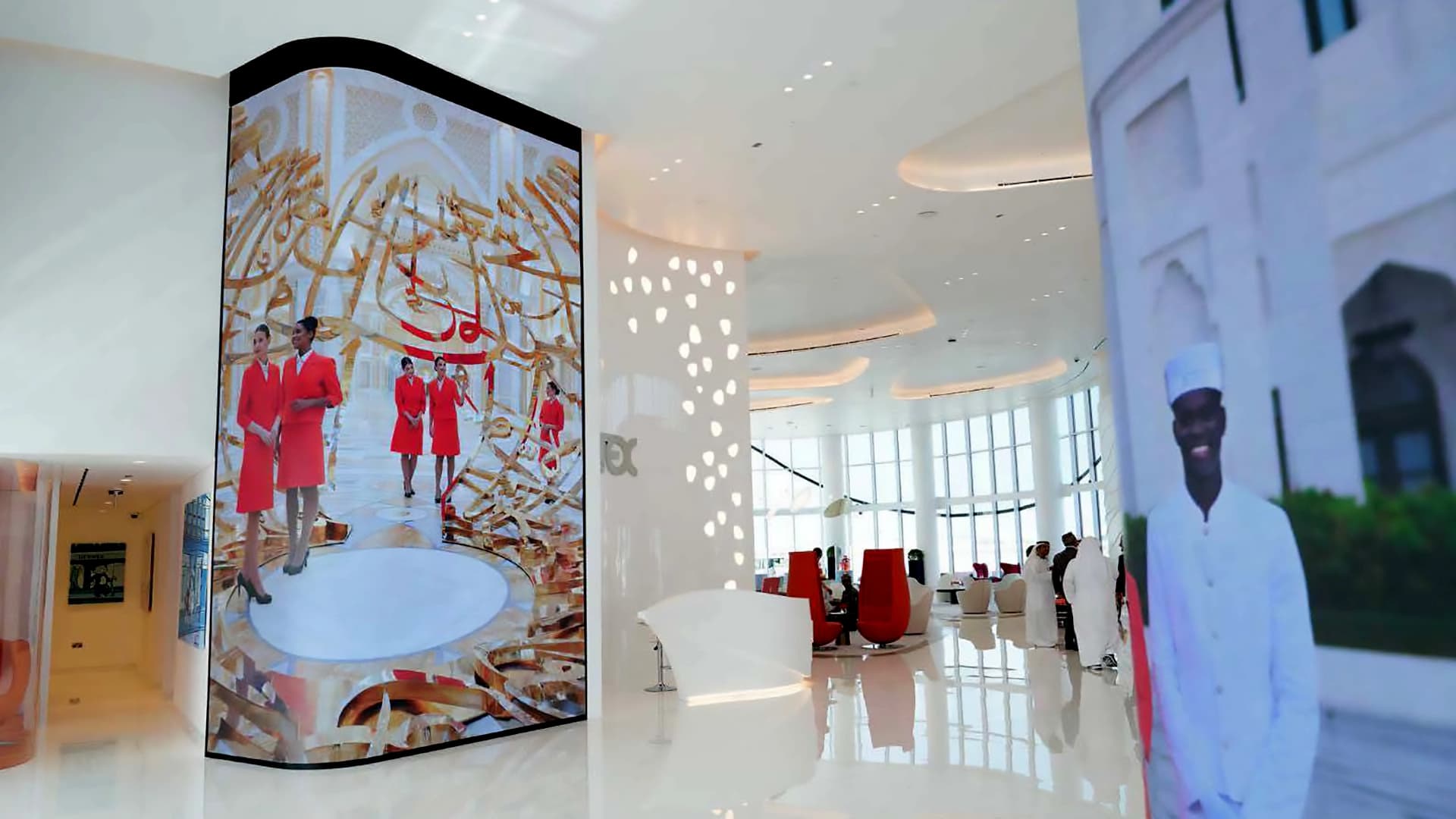
Travelers typically spend significant time at airports checking in, passing through security, waiting at gates, and spending time in lounges or retail areas. This creates multiple touchpoints for brands to engage with audiences. Whether through large digital displays, immersive installations, or strategically placed signage, airport advertising ensures repeated and prolonged exposure.
In uncertain times, when attention is fragmented across multiple platforms, this ability to hold audience attention becomes a critical advantage.
A Premium and Affluent Audience of Airport Advertising
One of the most compelling aspects of airport advertising is the quality of its audience. Airport travelers often include business professionals, high-income individuals, international tourists, and decision-makers. These audiences typically have higher purchasing power and are more likely to engage with premium brands.
Even During Economic Uncertainty, Essential Air Travel Continues
Even during economic uncertainty, air travel remains essential for business, government, and critical personal needs. While leisure travel may fluctuate, core segments of travelers continue to move through airports, ensuring a steady flow of valuable audiences.
For advertisers, this means that airport environments provide access to consumers who are not only financially capable but also open to new experiences, products, and services.
High Dwell Time and Repeated Exposure via Airport Advertising
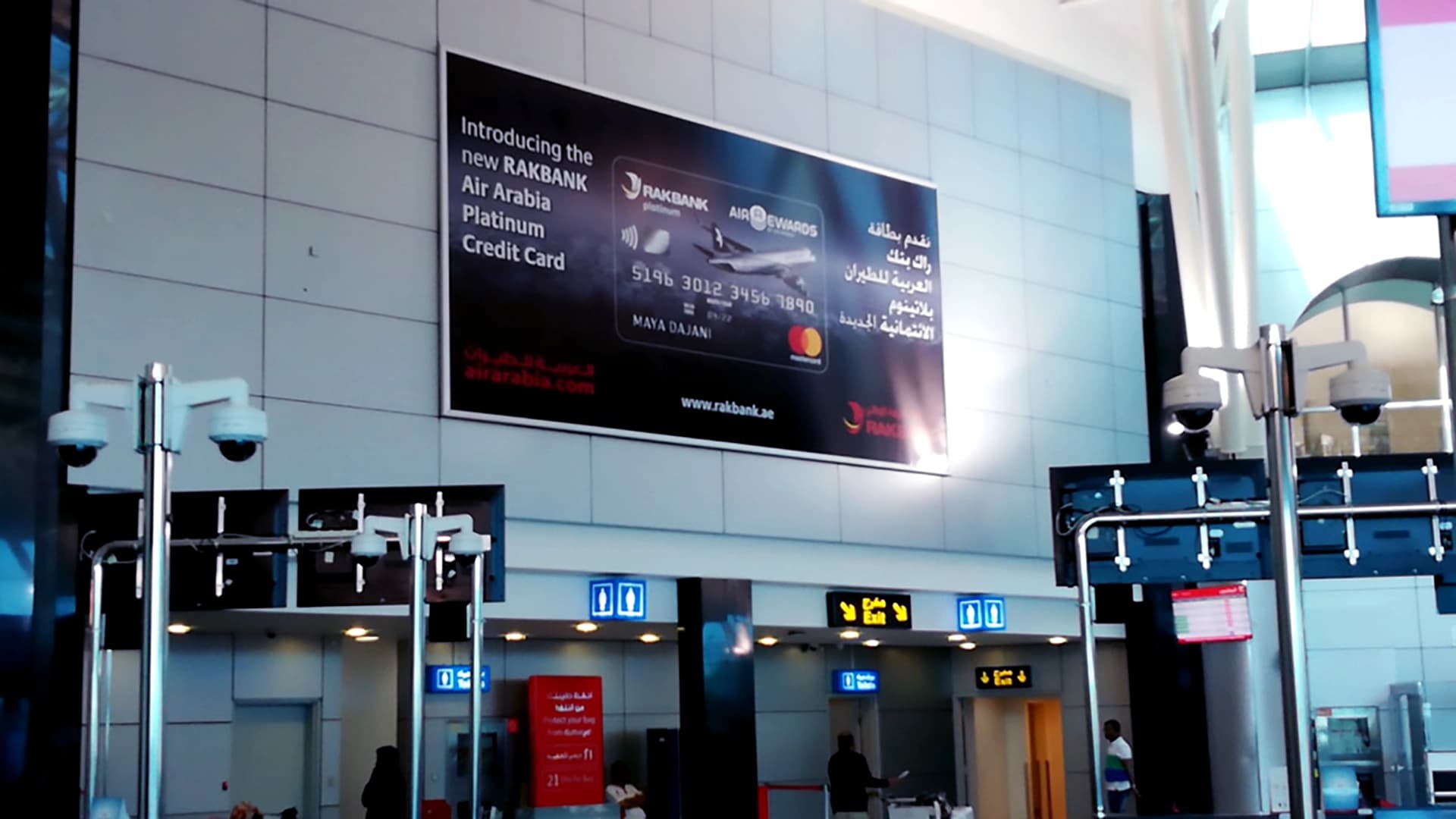
One of the defining advantages of airport advertising is the extended dwell time of its audience. Unlike roadside billboards that are viewed for a few seconds, airport ads can be seen repeatedly over the course of hours.
Travelers often encounter the same message multiple times—from check-in areas to security lines, boarding gates, baggage claims, and arrival halls. This repetition reinforces brand recall and increases the likelihood of message retention.
In uncertain times, when consumers are exposed to an overwhelming amount of information, repeated exposure in a controlled environment significantly enhances the effectiveness of advertising campaigns.
Airport Advertising is A Global Gateway for Brands
Airports are global crossroads, connecting people from different countries, cultures, and backgrounds. This makes them an ideal platform for brands looking to build international visibility.
A single airport campaign can reach both local audiences and international travelers, offering a unique blend of domestic and global exposure. For multinational brands, airports provide a consistent environment to communicate unified messaging across different markets.
Advertising at Dubai International Airport is Highly Effective Due To Its Global Connectivity
Campaigns placed through Dubai International Airport Advertising are particularly effective due to the airport’s status as one of the busiest global hubs, connecting millions of passengers annually.
Even during uncertain periods, international connectivity remains a priority for many industries, ensuring that airports continue to serve as vital gateways for communication and commerce.
Targeting Decision-Makers and Business Travelers Through Airport Advertising
Airports are key touchpoints for business travelers, many of whom are decision-makers within their organizations. These individuals often influence purchasing decisions across industries such as finance, technology, healthcare, and logistics.
Reaching this audience in an airport setting allows brands to communicate directly with influential stakeholders. Whether promoting enterprise solutions, financial services, or luxury products, airport advertising provides access to a highly valuable segment.
Strategic Ad Placements Within Abu Dhabi International Airport Enable Brands to Effectively Reach High-value Audiences
Strategic placements within Abu Dhabi International Airport Advertising environments further enhance reach among government officials, corporate leaders, and international investors traveling through the capital.
Even in uncertain economic conditions, business travel remains essential, ensuring continued access to this audience.
by Khuzaima Yamman
Share this article:
Enter your details and receive our free Media Kit.

Latest Industry news

Advertising Formats
August 13, 2026 · 4 min read
by Khuzaima Yamman
How Storytelling Makes Airport Advertising More EffectiveLearn how brands can use storytelling to create memorable airport advertising campaigns through emotion, strong visuals, local relevance, and clear messaging.
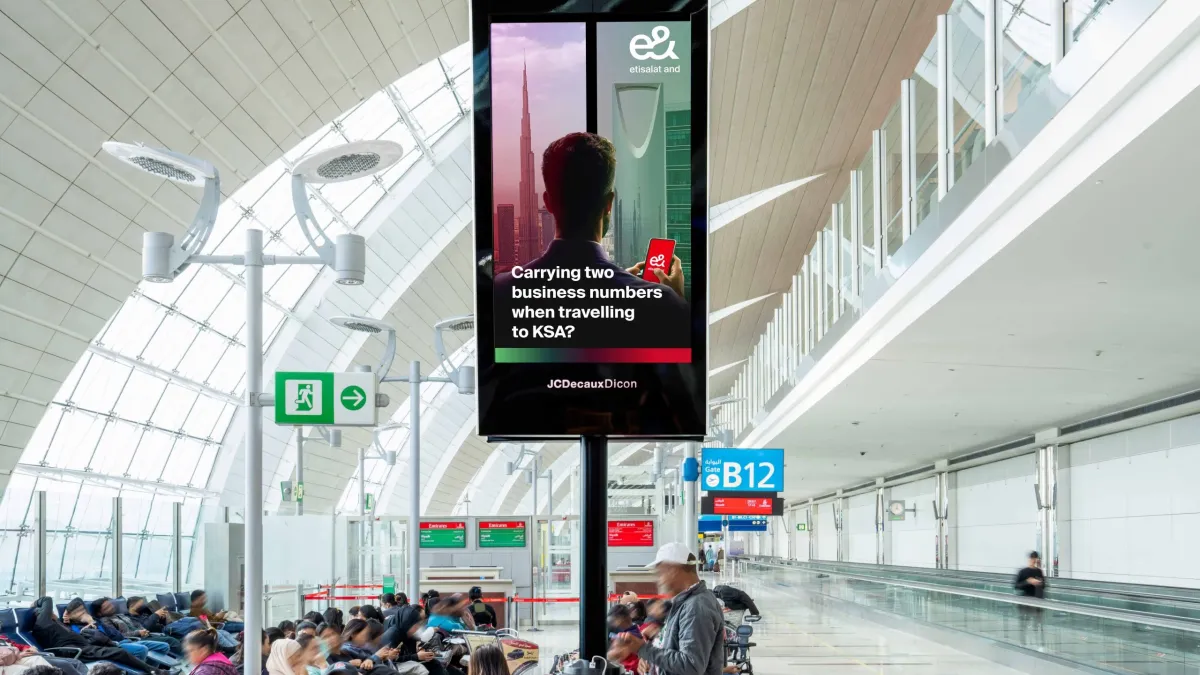
Tourism
August 10, 2026 · 5 min read
by Khuzaima Yamman
How Tourism Brands Use Airport Advertising to Attract TravellersDiscover how tourism brands use airport advertising to reach travellers, inspire visits, promote experiences and attract tourists across the UAE.

Advertising Formats
July 30, 2026 · 3 min read
by Khuzaima Yamman
The Role of Airport Advertising in Global Brand CampaignsDiscover the role of airport advertising in global brand campaigns, from reaching international audiences to improving awareness, credibility, and engagement.
Trusted by brands that soar high
Unrivalled exposure across the Gulf and beyond

Ready to let your business soar?
Complete your boarding card and let us take your company to the skies.
Gulf Airport Advertising

Elevate your brand with impossible to miss airport advertising.
12 international airports
284M+ annual passengers
42,000+ media touchpoints