

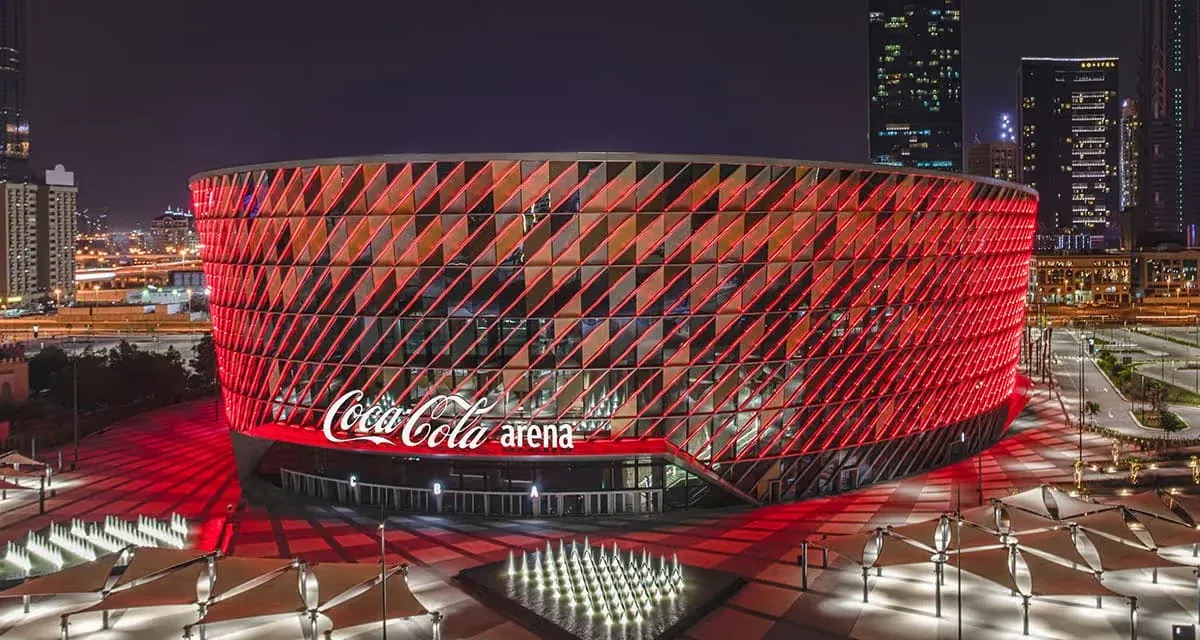
Coca Cola uses programmatic DOOH to activate across GCC airports
January 6, 2026 · 5 min read
by Zayd Rahman
Coca Cola is no stranger to airport advertising, but its recent use of programmatic digital out of home across GCC airports marks a clear shift towards more responsive and data led campaigns. By activating pDOOH in major regional hubs, the brand demonstrated how digital airport media can adapt to real world conditions and traveller behaviour while maintaining the scale and consistency required by a global advertiser.
For brands targeting international travellers, airports in the Gulf offer a unique environment. Passenger volumes are high, dwell times are long, and audiences are typically in a receptive mindset. Coca Cola’s approach shows how programmatic buying can unlock even greater value from these environments by aligning creative delivery with context rather than fixed schedules.
Why airports matter for programmatic DOOH in the Gulf
The Gulf region is home to some of the world’s most connected and visually advanced airports. Locations such as Dubai International, Abu Dhabi and Riyadh sit at the intersection of global travel flows, serving business travellers, tourists and returning residents throughout the year.
Airport terminals provide several advantages for pDOOH campaigns:
- Consistent high footfall across extended operating hours
- Premium large format digital screens in controlled environments
- Clear passenger journey stages that allow message sequencing
- Strong alignment with data triggers such as time of day and travel peaks
Coca Cola’s campaign took advantage of these factors, ensuring its creative appeared at moments when refreshment messaging felt natural rather than intrusive.
Brands exploring similar strategies can learn more about airport environments across the region through the full airport network overview.
How Coca Cola applied programmatic logic to airport screens
The campaign used programmatic buying to automate when and where Coca Cola creatives appeared across selected GCC airports. Instead of booking static loops for fixed time periods, the brand relied on data signals to guide delivery.
Key triggers included temperature, time of day and passenger movement patterns. When external temperatures rose, creative featuring ice cold drinks and condensation effects was prioritised. During peak travel hours, messaging focused on short moments of pause and refreshment. Evening periods leaned into mood driven visuals that suited quieter terminal atmospheres.
This approach ensured that the brand remained visible throughout the day while adjusting tone and emphasis in line with traveller needs. From an operational perspective, programmatic delivery also allowed rapid optimisation without manual intervention, a growing priority for brands managing multi market campaigns.
For a deeper look, check out our dedicated article on how this technology is reshaping airport media.
Strategic airport locations used in the campaign
Coca Cola selected a small number of high impact airports rather than attempting blanket coverage. Each location plays a distinct role within the GCC aviation ecosystem.
At Dubai International Airport, one of the world’s busiest hubs, the campaign reached an exceptionally diverse international audience. Large format digital screens in departure corridors and arrivals areas ensured high visibility at moments of transition and dwell.
In Abu Dhabi, the campaign benefited from the modern terminal layout and strong leisure and business traffic mix. Digital placements aligned with premium passenger flows and longer dwell times.
Riyadh added scale within Saudi Arabia, reaching a fast growing domestic and regional traveller base. As the city continues to expand its aviation footprint, digital airport media has become an increasingly important channel for national and international brands.
Creative relevance at scale
One of the biggest challenges in airport advertising is maintaining relevance across a broad audience. Coca Cola addressed this by focusing on universal moments rather than narrow demographics. Heat, thirst, waiting and movement are shared experiences for travellers regardless of nationality or purpose of travel.
Programmatic DOOH allowed these moments to be addressed dynamically. Rather than relying on a single creative execution, the campaign used multiple variants that rotated based on conditions. This kept the content visually fresh for frequent travellers while preserving brand consistency.
From a media planning perspective, this also supports better frequency control. Ads are delivered when conditions make sense, not simply because a slot has been booked.
What this means for advertisers considering airport pDOOH
Coca Cola’s campaign highlights several practical lessons for brands evaluating programmatic airport media in the GCC.
First, airports are no longer static environments from a media buying perspective. Digital infrastructure and programmatic access mean campaigns can now be optimised in flight, aligning spend with performance and context.
Second, simplicity in creative strategy matters. Coca Cola did not overcomplicate its messaging. It focused on refreshment and presence, letting data determine timing rather than reinventing the brand story.
Third, regional consistency paired with local triggers delivers strong results. While the brand identity remained uniform across markets, execution adapted to local conditions in each airport.
Advertisers looking to explore similar executions can review available digital and programmatic formats.
The future of programmatic airport advertising in the GCC
As more airports across the region expand their digital inventories, programmatic DOOH is set to become a standard component of airport media planning. The ability to buy, optimise and report on airport campaigns with the same sophistication as online channels is particularly appealing to global brands entering the Gulf market.
Coca Cola’s activation demonstrates that pDOOH is not limited to experimental campaigns. It can support large scale brand objectives while delivering meaningful relevance to travellers.
For advertisers seeking premium reach with modern delivery tools, airport programmatic DOOH offers a compelling balance of scale, quality and control.
FAQs
What is programmatic DOOH in airport advertising
Programmatic DOOH allows advertisers to buy and optimise digital airport screens using automated platforms and data triggers such as time, location and environmental conditions.
Why did Coca Cola choose GCC airports for this campaign
GCC airports offer high passenger volumes, long dwell times and premium digital infrastructure, making them ideal for large scale brand visibility and engagement.
Which airports were included in the Coca Cola campaign
The campaign ran across major hubs including Dubai International, Zayed International in Abu Dhabi and King Khalid International Airport in Riyadh.
Is programmatic DOOH suitable for brands beyond FMCG
Yes. Luxury, automotive, tourism, finance and technology brands increasingly use programmatic airport media to reach affluent and international audiences.
by Zayd Rahman
Share this article:
Enter your details and receive our free Media Kit.

Latest Industry news

Advertising Formats
August 13, 2026 · 4 min read
by Khuzaima Yamman
How Storytelling Makes Airport Advertising More EffectiveLearn how brands can use storytelling to create memorable airport advertising campaigns through emotion, strong visuals, local relevance, and clear messaging.
Tourism
August 10, 2026 · 5 min read
by Khuzaima Yamman
How Tourism Brands Use Airport Advertising to Attract TravellersDiscover how tourism brands use airport advertising to reach travellers, inspire visits, promote experiences and attract tourists across the UAE.
Advertising Formats
July 30, 2026 · 3 min read
by Khuzaima Yamman
The Role of Airport Advertising in Global Brand CampaignsDiscover the role of airport advertising in global brand campaigns, from reaching international audiences to improving awareness, credibility, and engagement.
Trusted by brands that soar high
Unrivalled exposure across the Gulf and beyond
Ready to let your business soar?
Complete your boarding card and let us take your company to the skies.
Gulf Airport Advertising

Elevate your brand with impossible to miss airport advertising.
12 international airports
284M+ annual passengers
42,000+ media touchpoints