

How alcohol brands utilise airport spaces to advertise in the GCC
January 26, 2026 · 6 min read
by Zayd Rahman
Airport environments across the Gulf have become one of the most valuable global platforms for alcohol brands. With strict domestic advertising regulations across much of the region, airports offer a rare and compliant opportunity to connect with international travellers in a premium retail setting.
From large scale digital displays to immersive duty free activations, the GCC has emerged as a testing ground for innovation in spirits marketing. Brands are no longer relying solely on visibility. They are using airports to tell deeper stories, launch travel exclusive editions and introduce creative technology led experiences that resonate with globally minded consumers.
Why GCC airports matter to alcohol brands
Gulf airports sit at the intersection of scale, affluence and international reach. Hubs such as Dubai International Airport and Zayed International Airport handle tens of millions of international passengers each year, many of whom are travelling long haul and passing through duty free zones with extended dwell time.
For alcohol brands, this audience offers three key advantages.
First, the traveller profile skews towards higher spending power. Premium spirits and limited editions align naturally with passengers who are already in a purchasing mindset.
Second, airports provide a controlled and compliant retail environment. Advertising is positioned alongside purchase points, creating a seamless journey from brand exposure to transaction.
Third, Gulf airports act as global shop windows. Campaigns launched in Dubai or Abu Dhabi are seen by travellers from Europe, Asia, Africa and the Americas, amplifying brand reach far beyond the region itself.
Duty free as a brand theatre
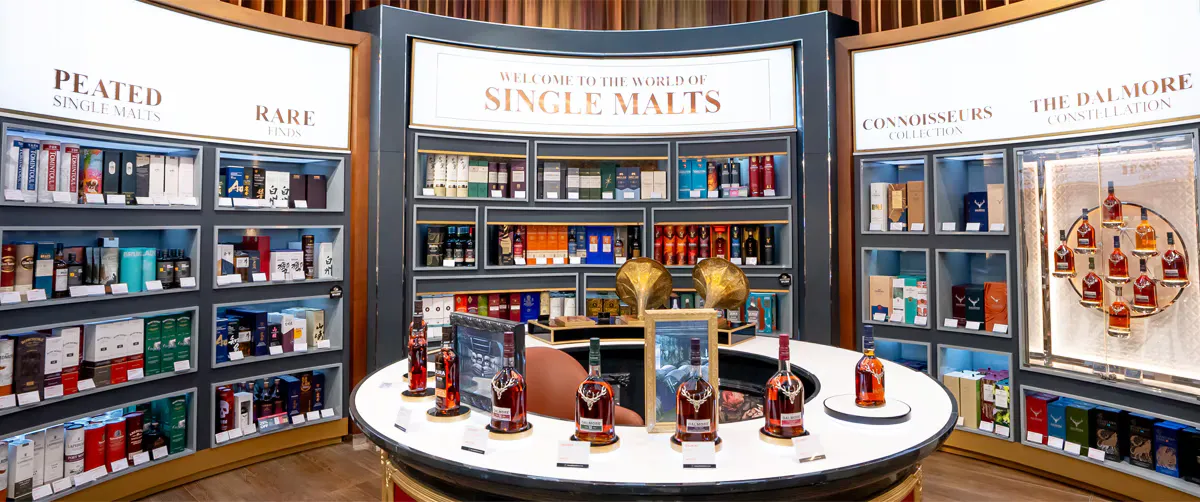
Unlike traditional outdoor advertising, airport spaces allow alcohol brands to build immersive brand worlds. Duty free environments in the GCC are designed to feel aspirational, blending retail with experience.
Brands frequently combine large format digital screens, illuminated product displays and bespoke fixtures that mirror flagship retail concepts found in major global cities. This approach turns duty free zones into brand theatres rather than simple retail aisles.
Dubai Duty Free has played a central role in enabling this evolution. By partnering closely with global spirits brands, it allows creative freedom while maintaining the premium standards expected in one of the world’s busiest airports.
Innovation as a driver of attention
Innovation has become a defining feature of alcohol advertising in GCC airports. Brands recognise that travellers are exposed to hundreds of visual messages during their journey, so differentiation is critical.
A recent example comes from Johnnie Walker, which partnered with Dubai Duty Free to launch a “one of one” design campaign at Dubai International. The activation centred around bespoke bottle designs created using artificial intelligence, with each bottle offering a unique visual identity.

The campaign extended beyond the product itself. Large scale digital displays within the terminal showcased the creative process behind the designs, reinforcing Johnnie Walker’s reputation as a forward thinking brand while encouraging travellers to engage with the concept before reaching the retail space.
By blending technology, storytelling and exclusivity, the campaign demonstrated how airport advertising can act as both a branding and retail driver in a single execution.
The rise of travel exclusive editions
Travel exclusive products remain one of the strongest tools available to alcohol brands in airport environments. These editions are designed specifically for duty free channels and are often unavailable through domestic retail.
In the GCC, travel exclusives play an important role for several reasons.
They give travellers a clear incentive to purchase while in transit, reducing price comparison with home markets. They also allow brands to experiment with packaging, flavour profiles and formats without disrupting core ranges.
Airport advertising supports these launches by creating anticipation before passengers reach the shelves. Digital screens, banners and experiential zones highlight the limited nature of the product and reinforce the idea that purchase opportunities are time bound.
For premium and super premium spirits, this sense of scarcity aligns well with gifting behaviours, particularly among travellers passing through the Gulf on long haul routes.
Using airport media to tell a global brand story
Alcohol brands operating in the GCC are careful to ensure that airport advertising reflects global brand positioning rather than localised messaging. This is especially important given the diversity of passenger nationalities passing through Gulf hubs.
Creative executions tend to focus on craftsmanship, heritage and innovation rather than overt consumption messaging. This approach allows brands to remain culturally sensitive while still building strong emotional connections.
Airport media formats play a key role here. High impact digital screens along departure corridors, jet bridges and arrival halls create repeated exposure moments that reinforce brand memory over time.
When combined with premium duty free retail environments, these touchpoints help alcohol brands position themselves as part of a sophisticated travel lifestyle rather than a standalone product.
Airports as testing grounds for future campaigns
GCC airports are increasingly being used as testing grounds for new creative ideas that can later be rolled out globally. The concentration of international travellers provides immediate feedback on what resonates across cultures and demographics.
Innovations such as dynamic content, personalisation and data led creative optimisation are being trialled within airport environments where dwell times are predictable and audience quality is high.
Successful campaigns often influence wider global marketing strategies, proving the value of airport advertising beyond short term sales metrics.
What this means for advertisers entering the GCC
For alcohol brands considering airport advertising in the Gulf, the opportunity lies in thinking beyond visibility alone. Successful campaigns integrate media placement, retail design and product innovation into a single cohesive strategy.
Airports such as DXB, AUH and emerging hubs across Saudi Arabia and the wider GCC offer flexible formats that can support everything from brand launches to limited edition storytelling.
Working with experienced airport advertising partners ensures that campaigns are compliant, premium and aligned with passenger flow patterns, maximising both reach and impact.
As global travel continues to rebound, airports in the GCC are set to remain one of the most influential platforms for alcohol brands looking to connect with an international audience at moments of heightened attention.
FAQs
Why do alcohol brands advertise in GCC airports?
GCC airports offer access to international travellers, premium retail environments and compliant advertising spaces linked directly to duty free sales.
How does airport advertising support duty free alcohol sales?
Airport media builds awareness and anticipation before purchase, guiding travellers from brand exposure to retail conversion within the same journey.
What role do travel exclusive editions play in airport campaigns?
Travel exclusives create urgency and differentiation, giving passengers a reason to buy in transit rather than in domestic markets.
Why is innovation important for alcohol advertising in airports?
Innovative campaigns help brands stand out in busy terminal environments and reinforce premium positioning among high value travellers.
by Zayd Rahman
Share this article:
Enter your details and receive our free Media Kit.

Latest Industry news
Advertising Formats
August 13, 2026 · 4 min read
by Khuzaima Yamman
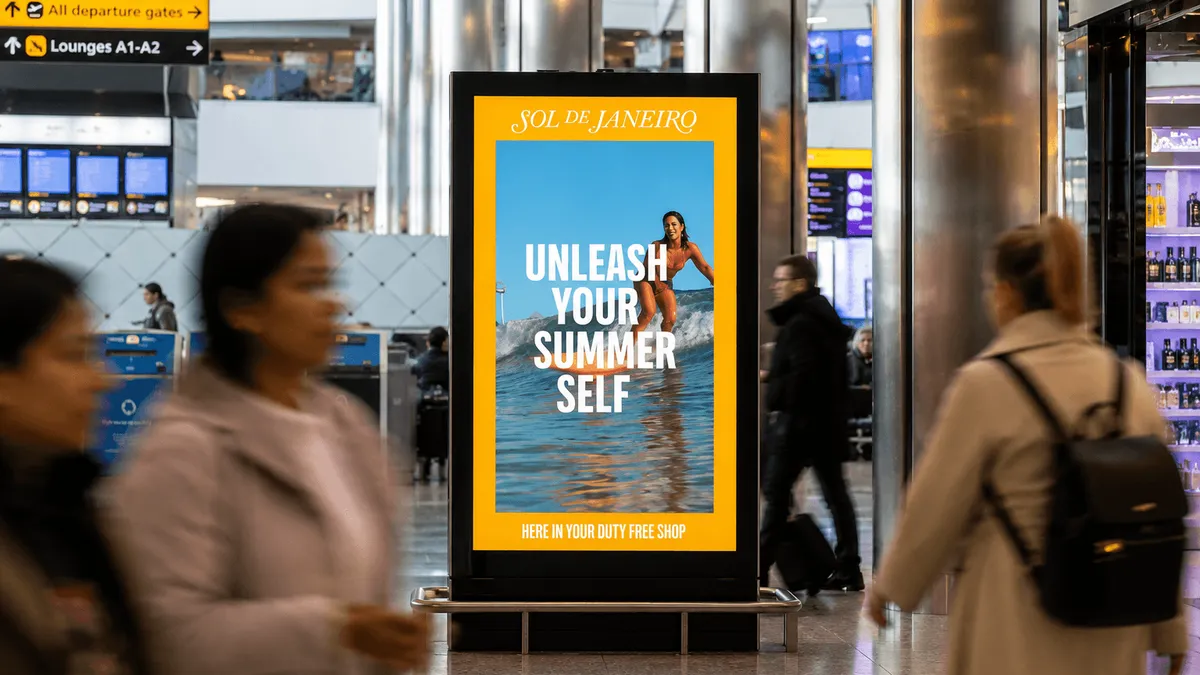
How Storytelling Makes Airport Advertising More EffectiveLearn how brands can use storytelling to create memorable airport advertising campaigns through emotion, strong visuals, local relevance, and clear messaging.
Tourism
August 10, 2026 · 5 min read
by Khuzaima Yamman
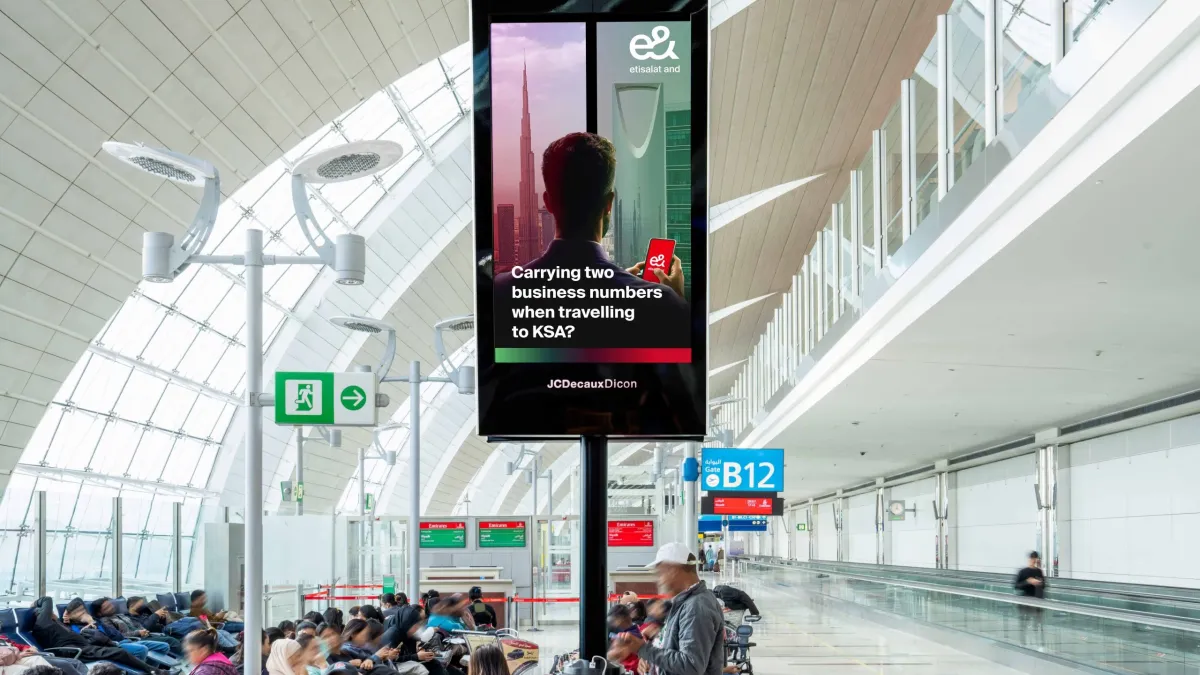
How Tourism Brands Use Airport Advertising to Attract TravellersDiscover how tourism brands use airport advertising to reach travellers, inspire visits, promote experiences and attract tourists across the UAE.
Advertising Formats
July 30, 2026 · 3 min read
by Khuzaima Yamman
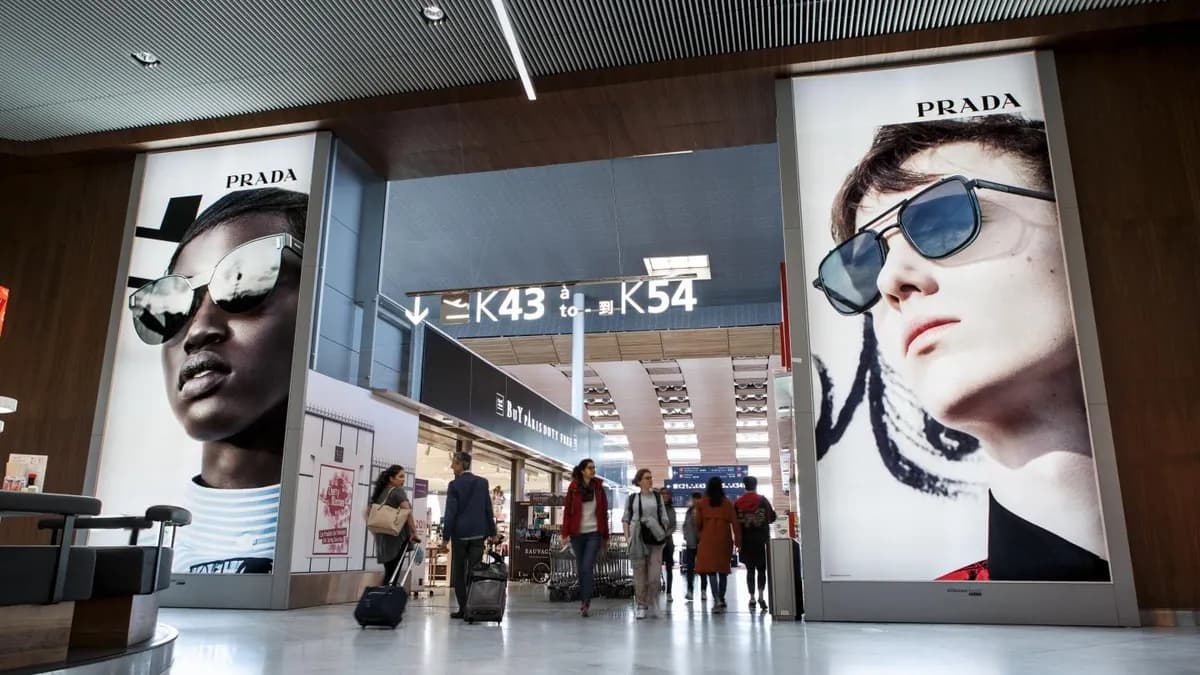
The Role of Airport Advertising in Global Brand CampaignsDiscover the role of airport advertising in global brand campaigns, from reaching international audiences to improving awareness, credibility, and engagement.
Trusted by brands that soar high
Unrivalled exposure across the Gulf and beyond
Ready to let your business soar?
Complete your boarding card and let us take your company to the skies.
Gulf Airport Advertising

Elevate your brand with impossible to miss airport advertising.
12 international airports
284M+ annual passengers
42,000+ media touchpoints