

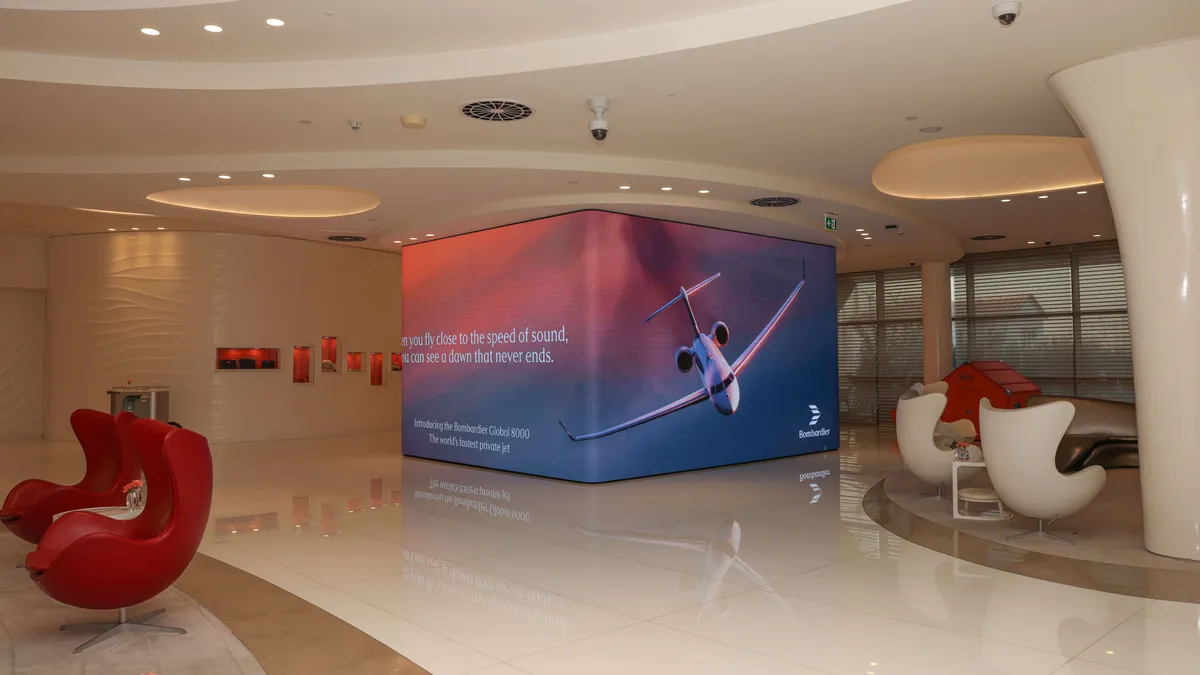
What Are the Best Practices for Advertising in Airport VIP Lounges?
November 27, 2026 · 5 min read
by Khuzaima Yamman
Airport VIP lounges offer brands an opportunity to reach business executives, frequent international travellers and premium consumers in a relaxed environment. Passengers often spend time working, dining and preparing for their journeys, creating opportunities for meaningful brand engagement.
According to the International Air Transport Association (IATA), international first and business class passenger numbers reached 109.7 million in 2025, an annual increase of 4.5%. The Middle East recorded one of the highest proportions of premium passengers globally, at 9.5%.
For brands targeting commercially valuable audiences across the Gulf, advertising within premium lounges requires careful consideration of audience profiles, creative quality, media placement and the overall passenger experience.
1. Understand the Audience Profile of Each VIP Lounge
Lounges serve different passenger groups depending on airline partnerships, membership programmes and access requirements.
Before investing in a campaign, brands should evaluate:
- Passenger demographics and purchasing power.
- Business and leisure traveller proportions.
- Frequent flyer and loyalty programme membership.
- Passenger nationalities and travel destinations.
- Average lounge visits and dwell time.
For example, financial services and technology companies may prioritise business class lounges serving international commercial routes. Luxury fashion, automotive and hospitality brands may consider first class lounges or private aviation terminals.
Understanding these audience differences helps businesses select placements aligned with their commercial objectives.
2. Select Airports Based on Strategic Market Relevance
The Gulf is home to several major international aviation hubs connecting Europe, Asia, Africa and North America.
Brands planning airport advertising campaigns should consider how each airport's passenger profile aligns with their target markets.
Key Gulf Airports for Premium Audience Targeting
- Dubai International Airport (DXB): International business travellers, luxury consumers and connecting passengers.
- Hamad International Airport (DOH): Global transit passengers and premium travellers across Qatar Airways' international network.
- Zayed International Airport (AUH): Corporate executives, government representatives and international visitors.
- King Khalid International Airport (RUH): Business travellers, investors and professionals visiting Saudi Arabia's capital.
- King Abdulaziz International Airport (JED): International visitors, business travellers and religious tourism audiences.
- Kuwait International Airport (KWI): Regional business travellers and Gulf consumers.
Request lounge specific audience data before confirming placements. Overall airport passenger numbers may provide useful context, but they do not represent actual lounge audiences.
3. Choose Advertising Formats That Complement the Lounge Environment
VIP lounges are designed around comfort, privacy and premium hospitality. Advertising formats should respect these qualities while maintaining sufficient brand visibility.
Potential formats include:
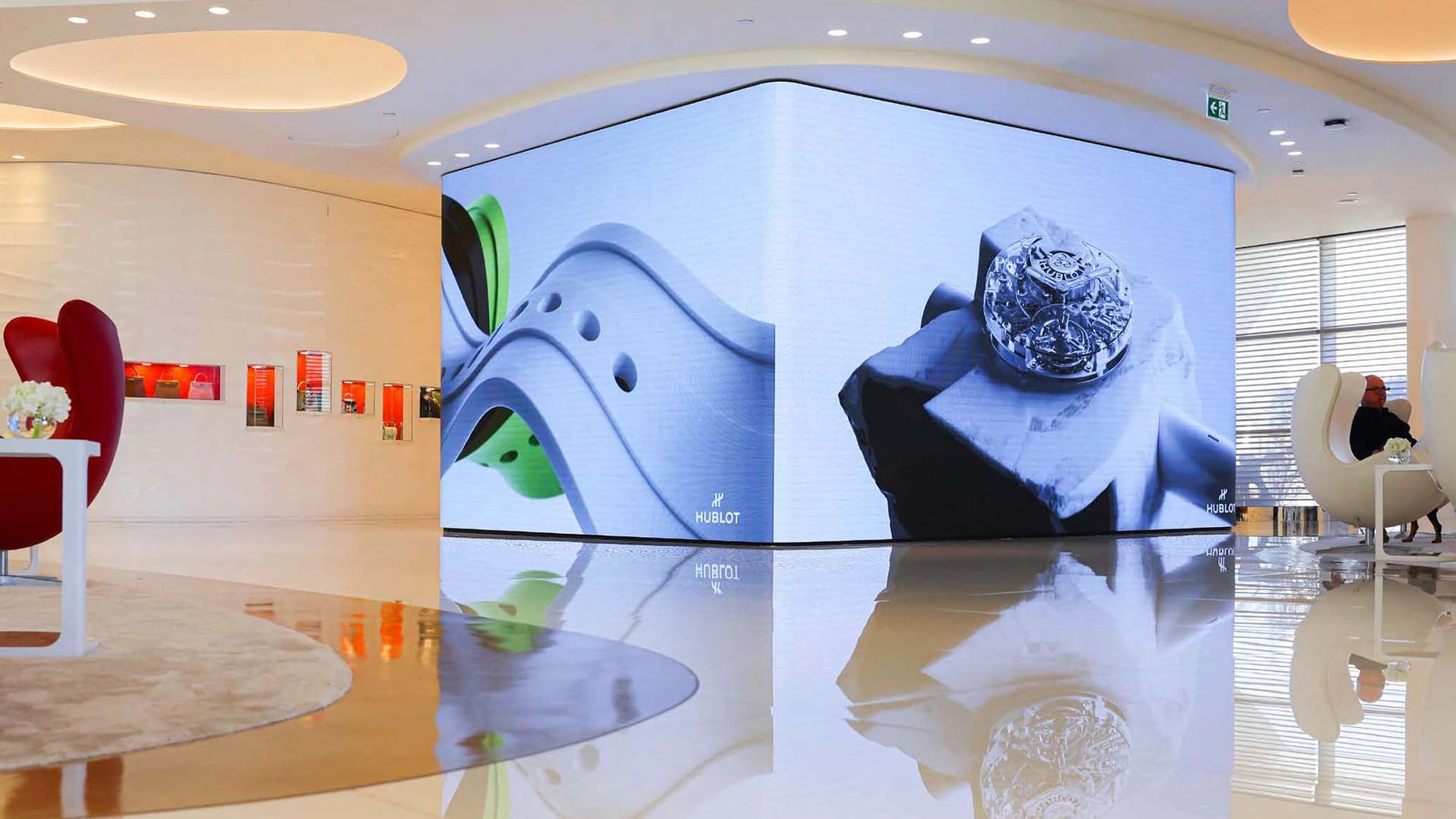
- Digital screens: Brand films, product information and seasonal campaigns.
- Branded display units: Product showcases for luxury goods, electronics and fragrances.
- Lounge sponsorships: Brand integration across approved lounge facilities.
- Charging station branding: Visibility among passengers using personal devices.
- Product sampling: Opportunities for travellers to experience selected products.
- Branded amenities: Carefully integrated products within the hospitality experience.
Format availability depends on the lounge operator, airport regulations and existing commercial agreements.
4. Use Passenger Dwell Time Effectively
Extended dwell time is an important consideration when planning premium lounge campaigns.
For example, Emirates allows eligible passengers to access its lounges for up to four hours before departure, subject to access conditions.
This environment allows brands to communicate detailed product information, introduce new services and encourage further exploration.
A private banking campaign could introduce investment services through digital displays. A technology brand could showcase product capabilities through an approved interactive demonstration.
Brands should match their creative approach to the passenger's activity. Someone working in a business area may respond to different messaging from a traveller relaxing before departure.
5. Maintain Premium Creative Standards
The quality of advertising should reflect the expectations of passengers using premium airport facilities.
Brands should focus on:
- Refined imagery and clear typography.
- Consistent visual identity.
- Concise and relevant messaging.
- High quality video and photography.
- Discreet calls to action.
- Appropriate screen brightness and audio levels.
Avoid excessive promotional messaging, distracting animations and intrusive interactions.
For luxury and premium brands, the surrounding environment forms part of the overall brand experience. Creative should feel appropriate within the lounge's architecture and interior design.
6. Create Relevant Brand Experiences
VIP lounges can provide opportunities for deeper engagement through carefully planned brand activations.
Examples of Lounge Brand Activations
- Luxury fragrance brands offering approved product sampling.
- Technology companies showcasing premium devices.
- Automotive brands presenting new vehicle models through digital experiences.
- Financial institutions sponsoring business facilities.
- Hospitality brands introducing exclusive destinations and travel experiences.
These activities should provide genuine value to passengers while respecting their time and privacy.
All experiential campaigns should be coordinated with lounge operators to ensure they complement existing hospitality services.
7. Secure Advertising Approvals Before Campaign Launch
Airport lounges operate within controlled commercial environments. Advertisers may need approval from airport authorities, airline representatives, lounge operators and authorised media partners.
Marketing teams should confirm category restrictions, creative specifications, installation requirements and existing exclusivity agreements before committing to a campaign.
International brands should also consider local cultural expectations, language requirements and advertising regulations across individual Gulf markets.
Early preparation can reduce the risk of delays and provide sufficient time for creative adjustments.
8. Measure Campaign Performance Against Business Objectives
Premium lounge campaigns should have a measurement framework that reflects their specific commercial purpose.
Relevant performance indicators may include:
- Estimated audience reach and frequency.
- Verified digital screen delivery.
- Brand awareness and recall.
- Product demonstration participation.
- QR code scans and website visits.
- Qualified enquiries and lead generation.
Brands should request audience measurement and campaign delivery reports from media partners. Where appropriate, independent brand lift studies can help assess changes in awareness, perception and purchase consideration.
These insights can guide future investment across airports, lounges and international markets.
by Khuzaima Yamman
Share this article:
Enter your details and receive our free Media Kit.

Latest Industry news
Advertising Formats
November 27, 2026 · 5 min read
by Khuzaima Yamman
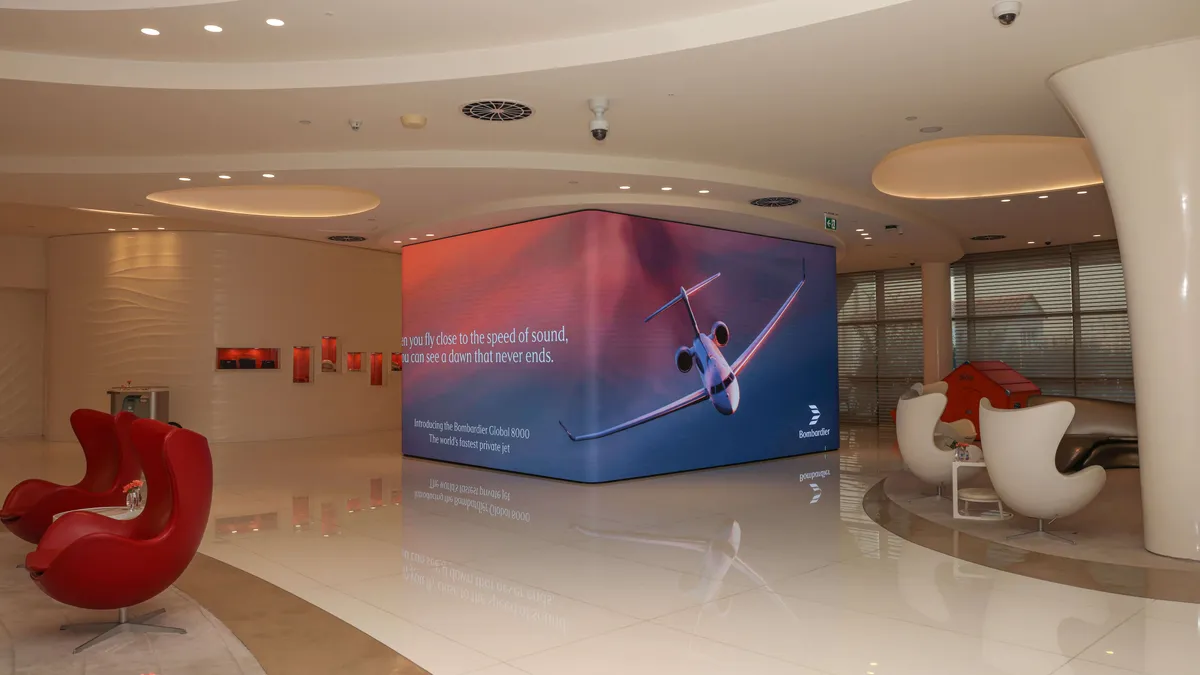
What Are the Best Practices for Advertising in Airport VIP Lounges?Discover how brands can advertise effectively in airport VIP lounges through strategic placement, premium creative, audience targeting & performance measurement
Advertising Formats
August 13, 2026 · 4 min read
by Khuzaima Yamman
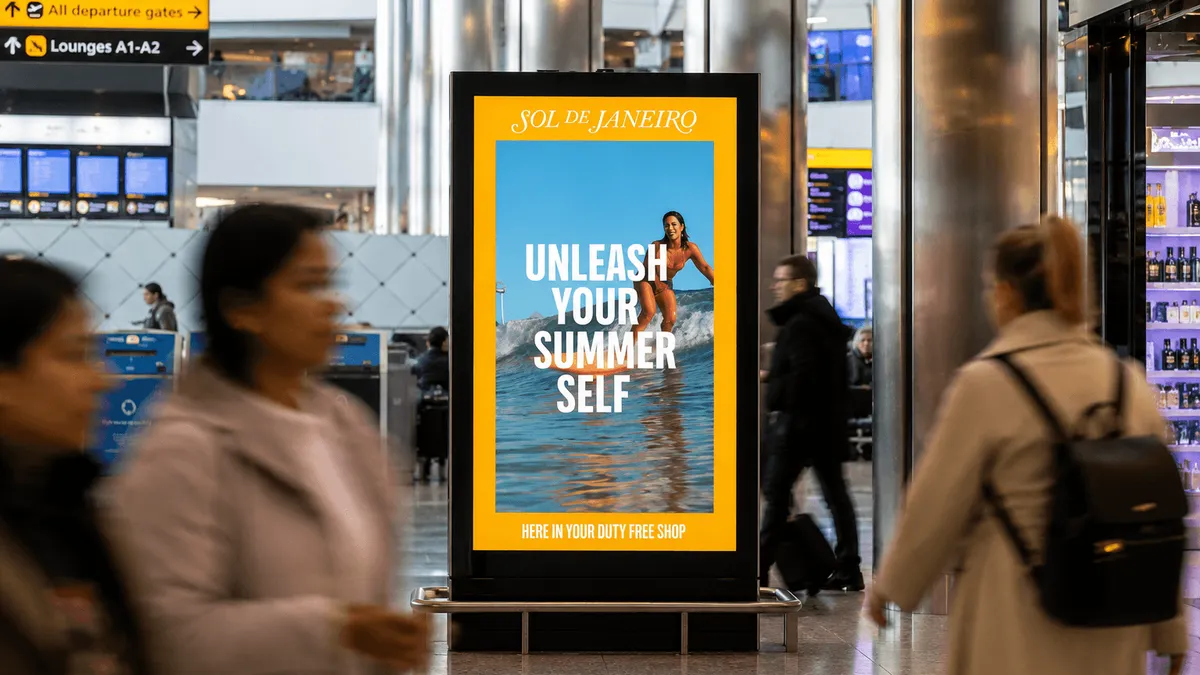
How Storytelling Makes Airport Advertising More EffectiveLearn how brands can use storytelling to create memorable airport advertising campaigns through emotion, strong visuals, local relevance, and clear messaging.
Tourism
August 10, 2026 · 5 min read
by Khuzaima Yamman
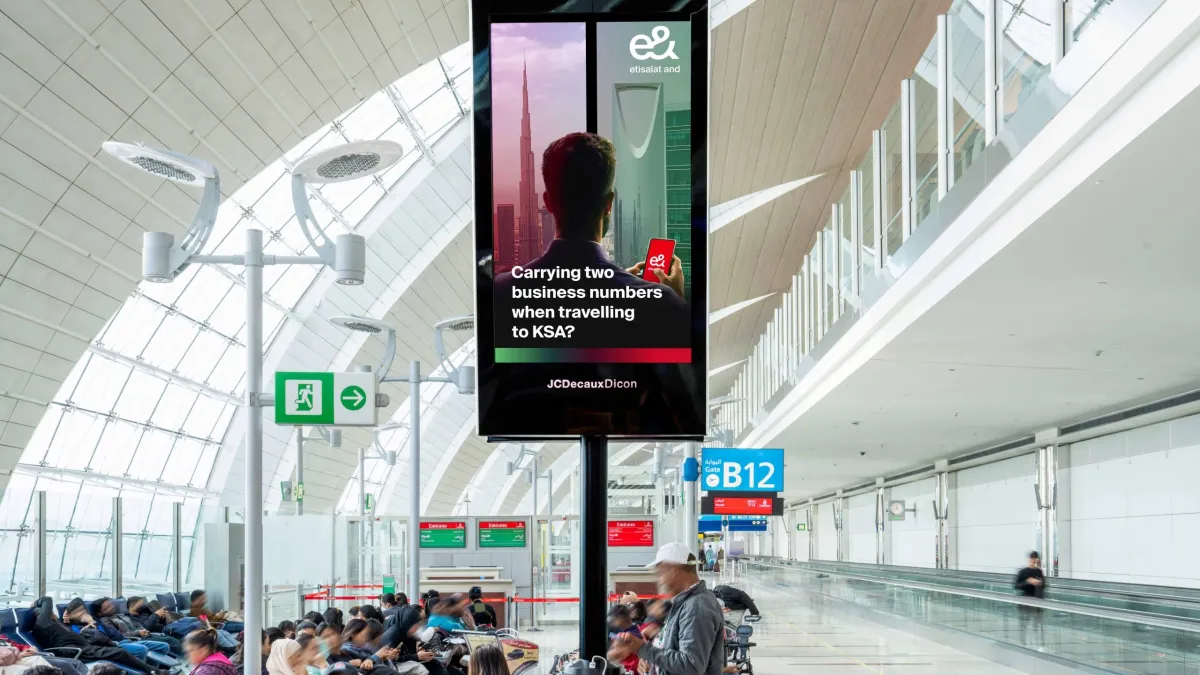
How Tourism Brands Use Airport Advertising to Attract TravellersDiscover how tourism brands use airport advertising to reach travellers, inspire visits, promote experiences and attract tourists across the UAE.
Trusted by brands that soar high
Unrivalled exposure across the Gulf and beyond
Ready to let your business soar?
Complete your boarding card and let us take your company to the skies.
Gulf Airport Advertising

Elevate your brand with impossible to miss airport advertising.
12 international airports
284M+ annual passengers
42,000+ media touchpoints